Al Mujassam helps villa owners, developers, and consultants obtain fast building permit approvals in Dubai through Dubai Municipality, DEWA, Civil Defence, and master community authorities. Our team manages the complete approvals process from compliant drawings to final permit issuance for villas, renovations, and extensions across Dubai.
If you are building or renovating a villa in Dubai, the approval process is the part nobody warns you about properly. Projects get delayed not because of bad architects or slow contractors. They get delayed because the permit submission was incomplete, the drawings did not meet the latest Dubai Municipality requirements, or the NOCs from secondary authorities were not tracked properly.
This guide explains how the Dubai building permit approval process actually works, where the delays happen, and how working with the right consultant changes the timeline significantly.
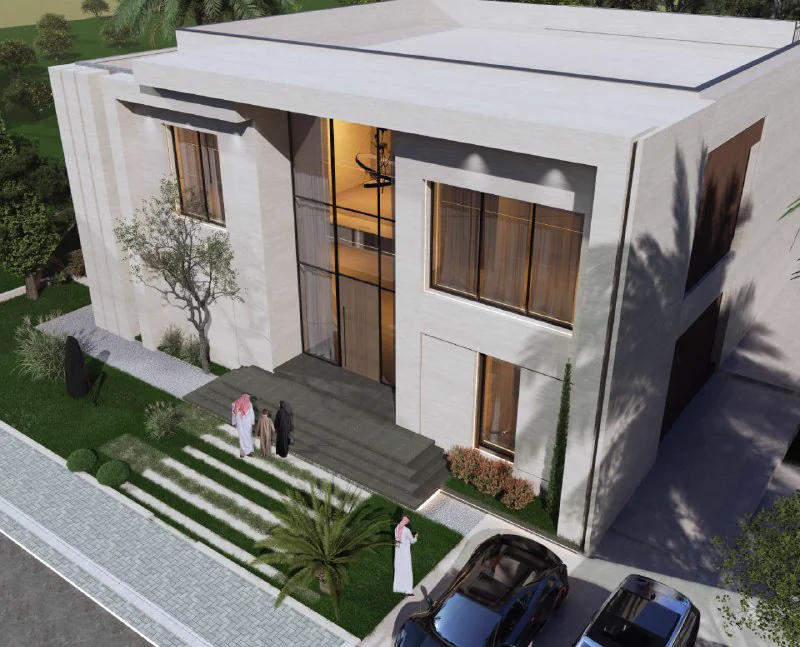
What Approvals Does a Villa Project in Dubai Actually Need?
Most villa owners assume there is one permit. In reality, a new build or significant renovation in Dubai typically requires clearance from multiple authorities before a single foundation is poured.
Dubai Municipality is the primary authority, handling structural and architectural review through the Building Permit System (BPS). But depending on your project scope and location, you will also need NOCs from DEWA for utility connections, Dubai Civil Defence for fire safety, and potentially the RTA if your plot has road frontage implications. If your villa sits within a master community like EMAAR, Arabian Ranches, or Nakheel, add a community NOC to that list before you can even approach Dubai Municipality.
Each authority has its own documentation requirements, portal, and review timeline. Managing them in parallel rather than sequentially is one of the biggest time savings a good approvals consultant brings.
How Long Does It Actually Take?
Here is the honest answer. For a straightforward residential villa, Dubai Municipality can process drawings in as little as 3 to 5 working days once a complete, compliant submission is made. The full cycle from first submission to permit issuance, including community NOCs and secondary authority clearances, typically runs 4 to 8 weeks for a villa project.
The word “typically” is doing a lot of work there. Projects with incomplete drawings, missing documents, or non-compliant details get returned with comments. Each cycle of revision and resubmission adds weeks. Projects that get it right the first time move at the fast end of that range. Projects that do not can sit in the review queue for months.
Dubai’s Building Permit System now uses AI-assisted compliance checking. Drawings are automatically scanned before a human reviewer even sees them. Submissions that fail the automated check are rejected immediately. This is why document accuracy at submission stage matters more now than it did two years ago.
Where Projects Actually Get Delayed
The most common reasons a villa permit application stalls:
Drawings that do not align with the approved Affection Plan GIS boundaries. Dubai Municipality cross-references your plot against official GIS data, and any discrepancy triggers an automatic rejection before review begins.
Missing or outdated Al Sa’fat 2.0 compliance documentation. Dubai’s sustainability framework now requires specific energy and sustainability calculations as part of standard residential submissions. Omitting these is a fast way to get a rejection.
Incorrect setback calculations. Dubai’s building regulations specify minimum setbacks from plot boundaries based on plot size, zone, and building height. A mistake here means redrawn and resubmitted plans.
Community NOC not secured before DM submission. Some consultants submit to Dubai Municipality while the community NOC is still pending. If the community NOC comes back with changes required, the DM drawings need to be revised and the process restarts.
What a Good Approvals Consultant Actually Does
An experienced approvals consultant does not just submit your drawings and wait. The value is in what happens before submission: a pre-submission compliance audit that catches the issues before the authority does.
This includes verifying plot boundaries against GIS data, confirming setback compliance, checking that MEP drawings coordinate correctly with architectural plans, and ensuring all sustainability documentation is in order. On projects where Al Mujassam manages the full scope from design through approvals, the drawings are prepared with the submission requirements built in from the start, which is a different process from designing first and then trying to make the drawings compliant.
For a deeper look at how we handle villa design in Dubai from concept through permit stage, or to understand what a complete villa renovation project involves in terms of approvals, both pages cover what to expect at each phase.
Costs to Know Before You Budget
Approval fees in Dubai are set by the authorities, not the consultant. Dubai Municipality charges AED 1.00 per square foot for standard residential submissions. A 5,000 sq ft villa footprint means AED 5,000 in DM fees alone before secondary authority charges are added.
Consultant fees for managing the approvals process vary based on project complexity, number of authorities involved, and whether the consultant is also producing the drawings or managing an existing set. For a complete picture of what professional fees look like across design and approvals, the architecture design fees guide breaks this down clearly.
Recent Villa Approval Projects in Dubai
- 8,500 sq ft villa approval in Al Khawaneej — Dubai Municipality + DEWA approvals completed in 21 days
- Villa extension approval in Arabian Ranches — community NOC + DM approval
- Full renovation approval in Jumeirah Golf Estates
- View all our projects
The Fastest Route Through the System
Speed through Dubai’s approval system comes from one thing: submitting a complete, compliant package the first time. According to Dubai Statistics Center data, Dubai Municipality processed over 55,000 building permits in 2024. The volume is high and the system has very little tolerance for incomplete submissions.
The consultants who consistently get faster approvals are not doing anything special. They know the current requirements, they prepare documentation that meets those requirements precisely, and they manage the parallel tracks across multiple authorities simultaneously rather than sequentially.
If you are at the planning stage of a villa build or renovation and want to understand what the approvals process looks like for your specific project, book a call with the Al Mujassam team. The earlier approvals planning happens in the project timeline, the fewer surprises you encounter once construction starts.
For Emirati landowners building on their own plot for the first time, the guide to new villa design for Emirati landowners covers the regulatory landscape specific to own-plot development, including how plot coverage limits and height allowances affect what you can build before a single line is drawn.